
Why Inhalant Use Is So Dangerous—and Often Overlooked
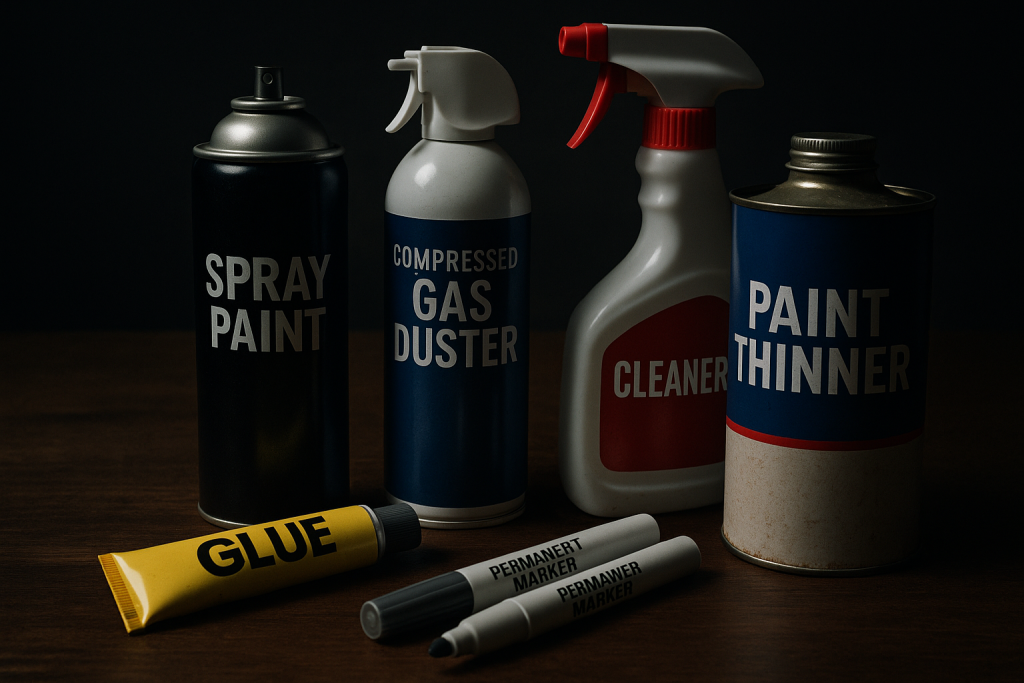
Inhalants are common household products—like aerosols, glues, or solvents—that some teens misuse to get a brief high. Because these products seem ordinary, parents may not realize the risk. Even one use can cause serious harm.
How Teens Access and Use Inhalants
Teens may sniff, huff, or inhale fumes from items like spray paint, cleaning products, or gasoline. They might do this alone or in groups, often without understanding how dangerous it is.
Warning Signs of Inhalant Use
Signs can include chemical odors on breath or clothing, paint stains on hands or face, hidden rags or containers, dizziness, slurred speech, nausea, or sudden behavior changes.
How to Talk with Your Teen
Rather than leading with accusations, you might say, “I’ve noticed some things that concern me, and I’m worried about your safety. Can we talk about it?” Explain clearly that inhalants can damage the brain and body, even after a small amount.
What to Do If You’re Worried
If you suspect inhalant use, reach out to a medical provider or counselor. Removing or locking up products, increasing supervision, and getting professional support can help reduce risk and address the reasons your teen may be using.
Need more help right now?
If you or your teen is in immediate danger, please call 911 or go to the nearest emergency room.
If you are in crisis or worried about someone you love, you can reach out for free, confidential support:
- 988 Suicide & Crisis Lifeline – Call or text 988, or chat online 24/7
- NAMI Utah – Education, classes, and support groups for families
- SafeUT App – A free, confidential chat and tip line for Utah youth and families
- Local mental health providers – Therapists, counselors, and medical professionals in your area
This website is for general education only and is not a crisis or emergency service, and it does not provide diagnosis or treatment. You don't have to go through this alone—reaching out for help is a strong and hopeful step.
Resources
Disclosure: Some links may be affiliate links, which means we may earn a small commission at no extra cost to you.